
The Our Father
A traditional Catholic prayer
Our Father, who art in heaven, hallowed be Thy name. Thy kingdom come, Thy will be done, on earth as it is in heaven. Give us this day our daily bread, and forgive us our trespasses, as we forgive those who trespass against us. And lead us not into temptation, but deliver us from evil. Amen.
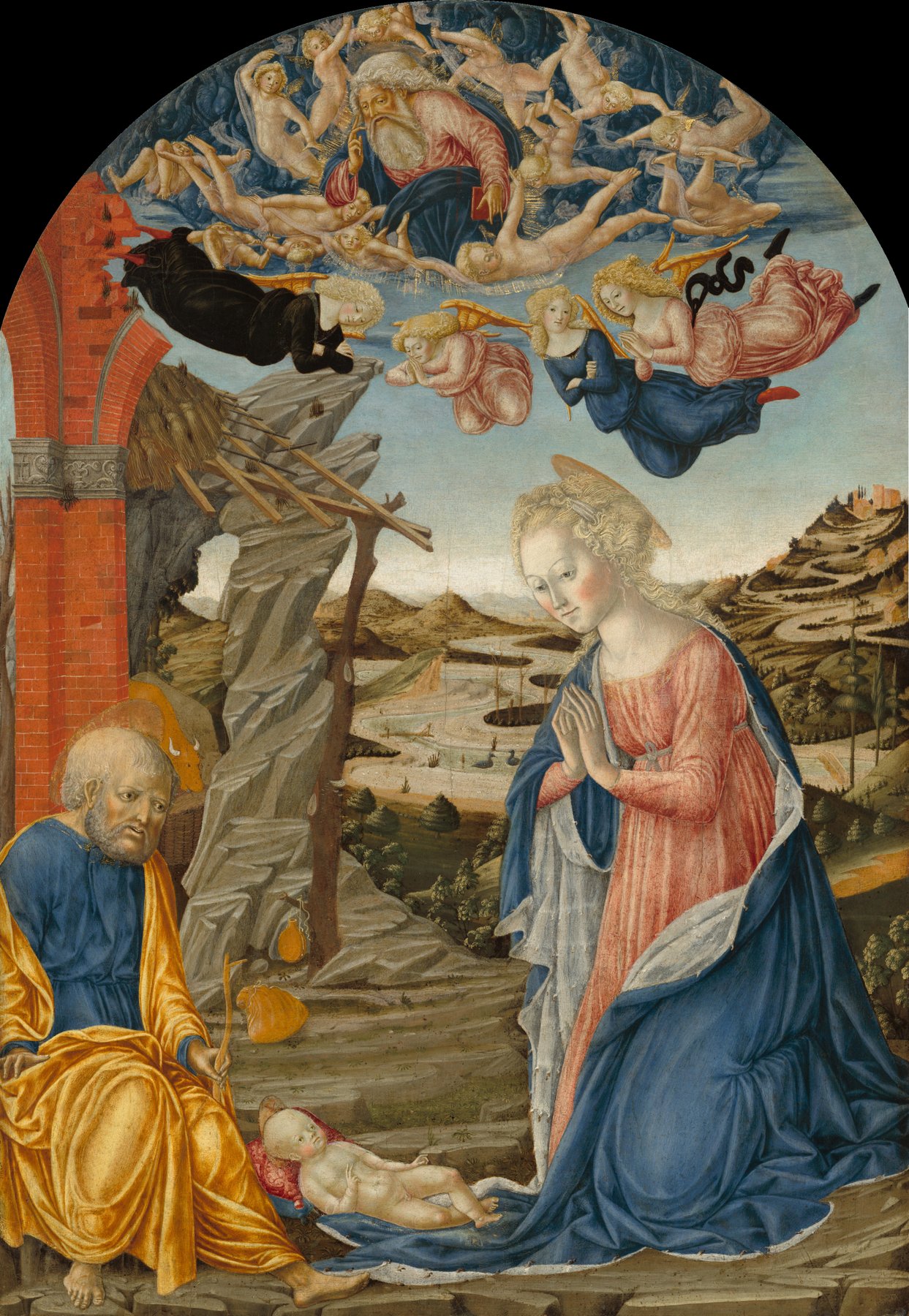
Francesco di Giorgio Martini
c. 1470, National Gallery of Art, Washington, and The Metropolitan Museum of Art, New York
About this painting
In Latin
Pater noster, qui es in caelis, sanctificetur nomen tuum. Adveniat regnum tuum. Fiat voluntas tua, sicut in caelo et in terra. Panem nostrum quotidianum da nobis hodie, et dimitte nobis debita nostra sicut et nos dimittimus debitoribus nostris. Et ne nos inducas in tentationem, sed libera nos a malo. Amen.
Where it comes from
God the Father leans out of a crowd of cherubim, and far below Him, on the bare ground, the Christ Child lies on the hem of Our Lady's cloak while Saint Joseph sits and watches. The prayer crosses that whole height in its first two words. Christ taught it twice: in the Sermon on the Mount, as Saint Matthew gives it below, and when His disciples asked Him to teach them to pray, as Saint Luke gives it (Luke 11:2–4). The two versions differ in small details, and the Father does not. He is that far, and He is ours, and each time we say the first word the distance closes.
Herbert Thurston, “Lord's Prayer”, The Catholic Encyclopedia, vol. 9 (1910): newadvent.org
9Thus therefore shall you pray: Our Father who art in heaven, hallowed be thy name. 10Thy kingdom come. Thy will be done on earth as it is in heaven. 11Give us this day our supersubstantial bread. 12And forgive us our debts, as we also forgive our debtors. 13And lead us not into temptation. But deliver us from evil. Amen.
Matthew 6:9–13, Douay-Rheims (Challoner)
More in painting
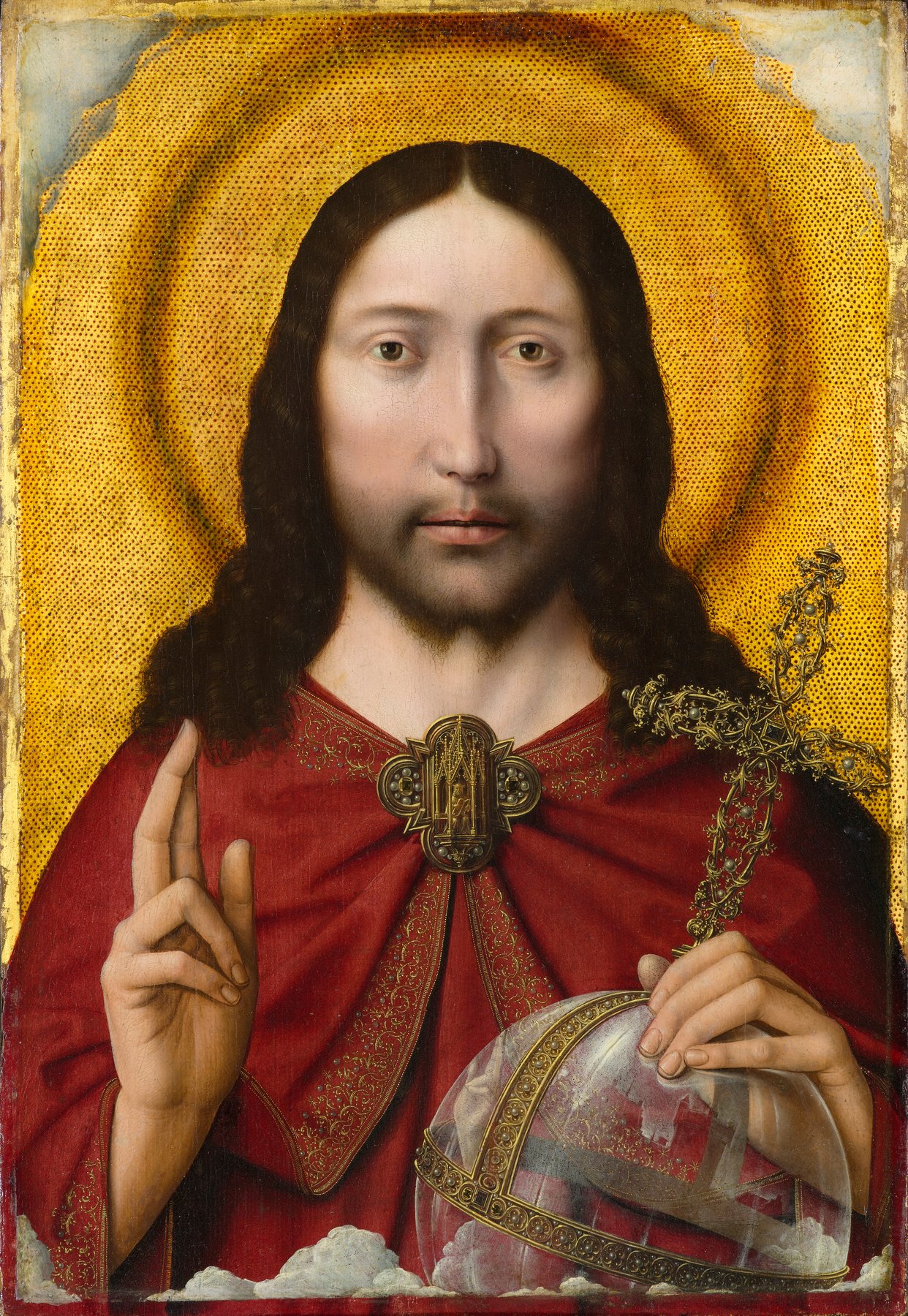
Attributed to Quinten Massys
circa 1500–1510, North Carolina Museum of Art, Raleigh
About this painting
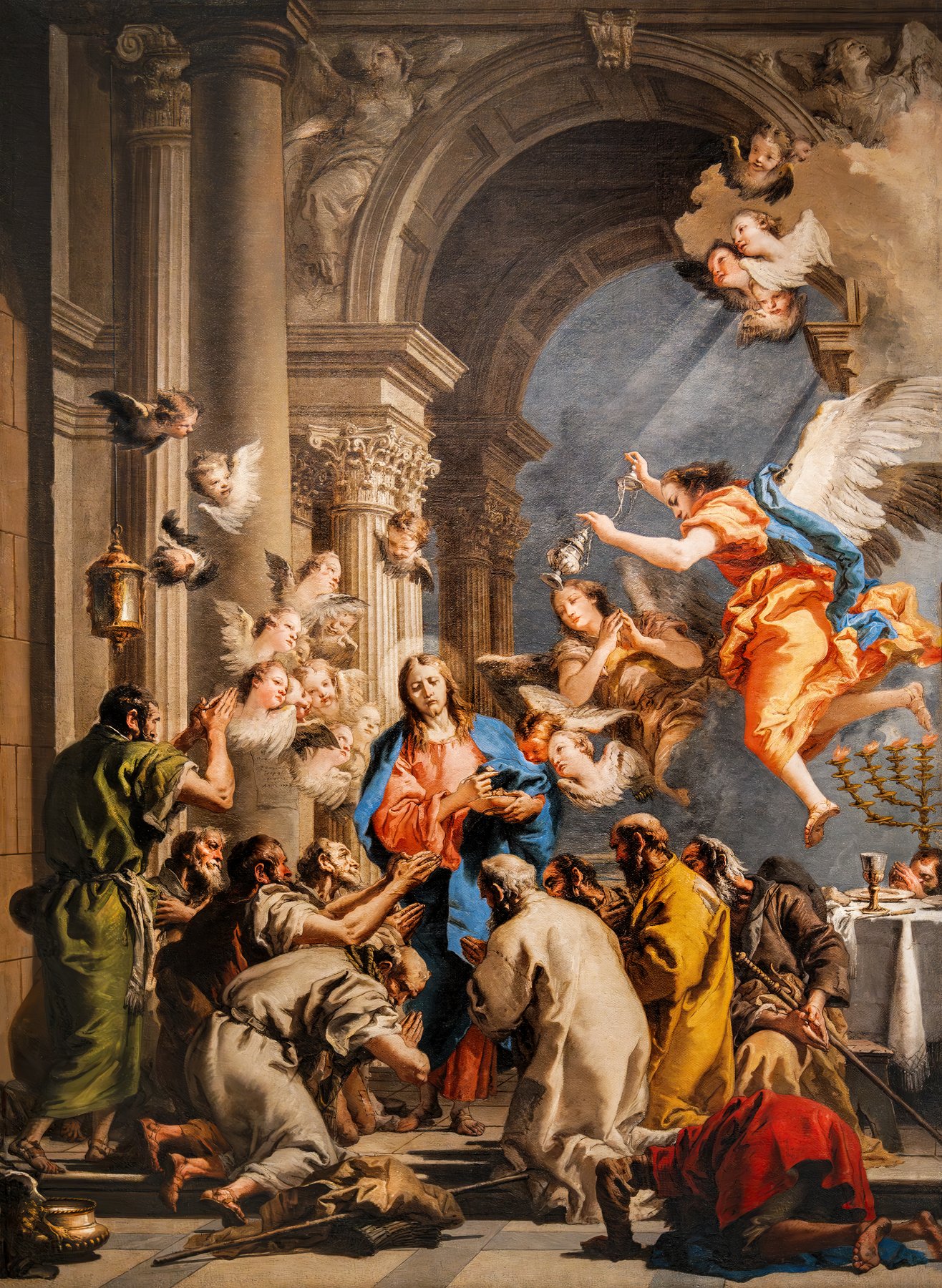
Giandomenico Tiepolo
1778–1779, Gallerie dell'Accademia, Venice
About this painting
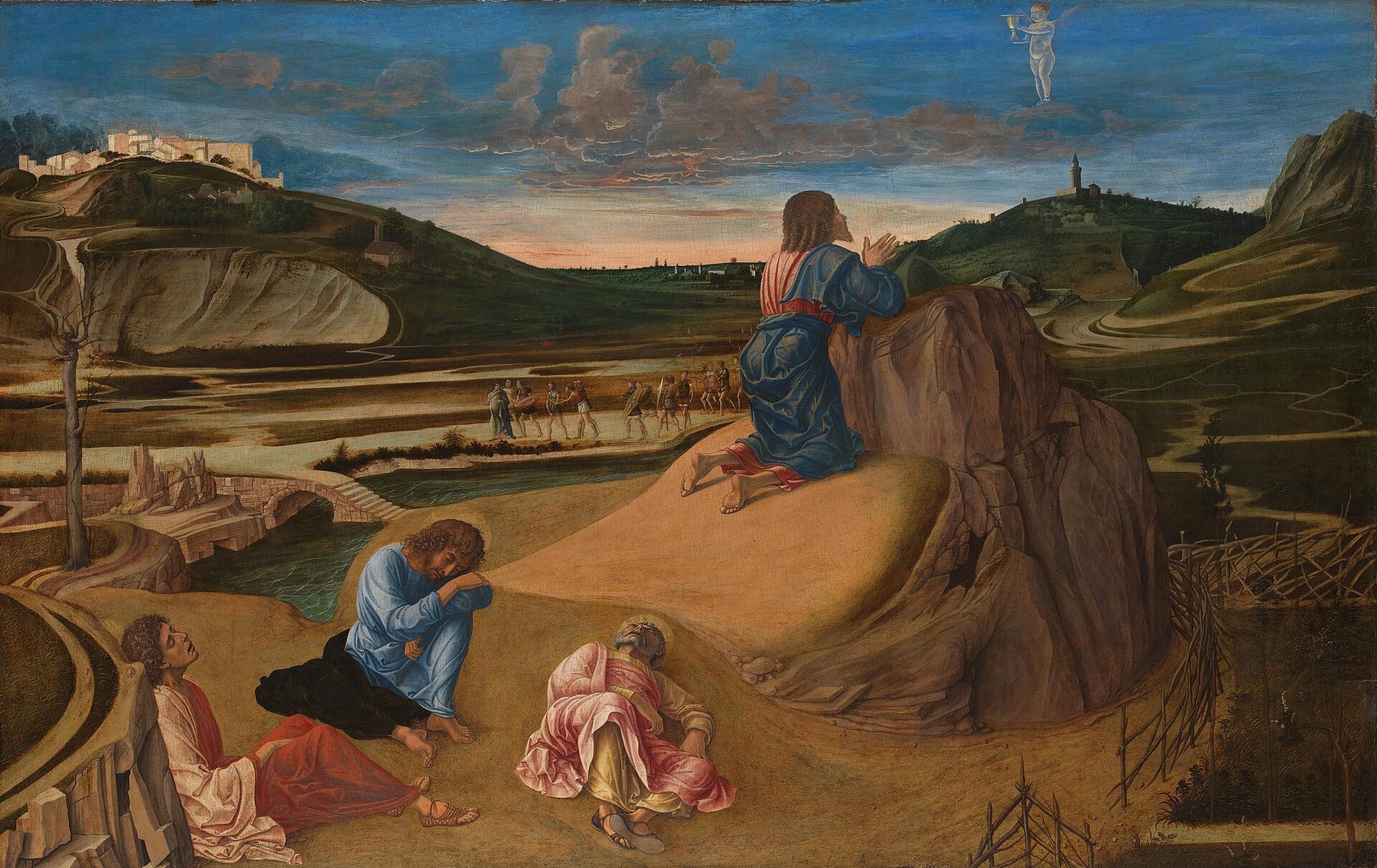
Giovanni Bellini
About 1458–60, The National Gallery, London
About this painting
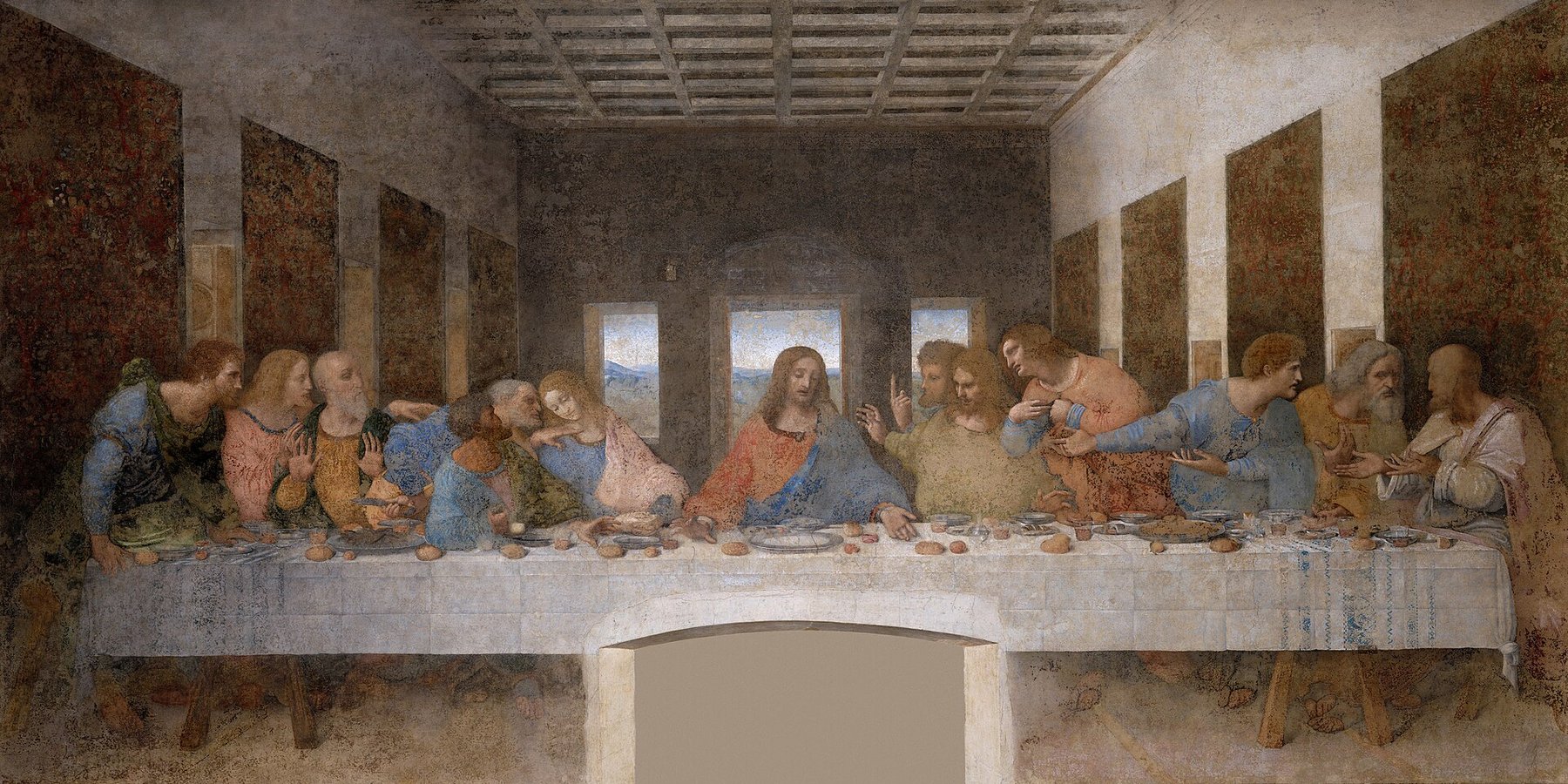
Leonardo da Vinci
1495–1498, Santa Maria delle Grazie, Milan
About this painting
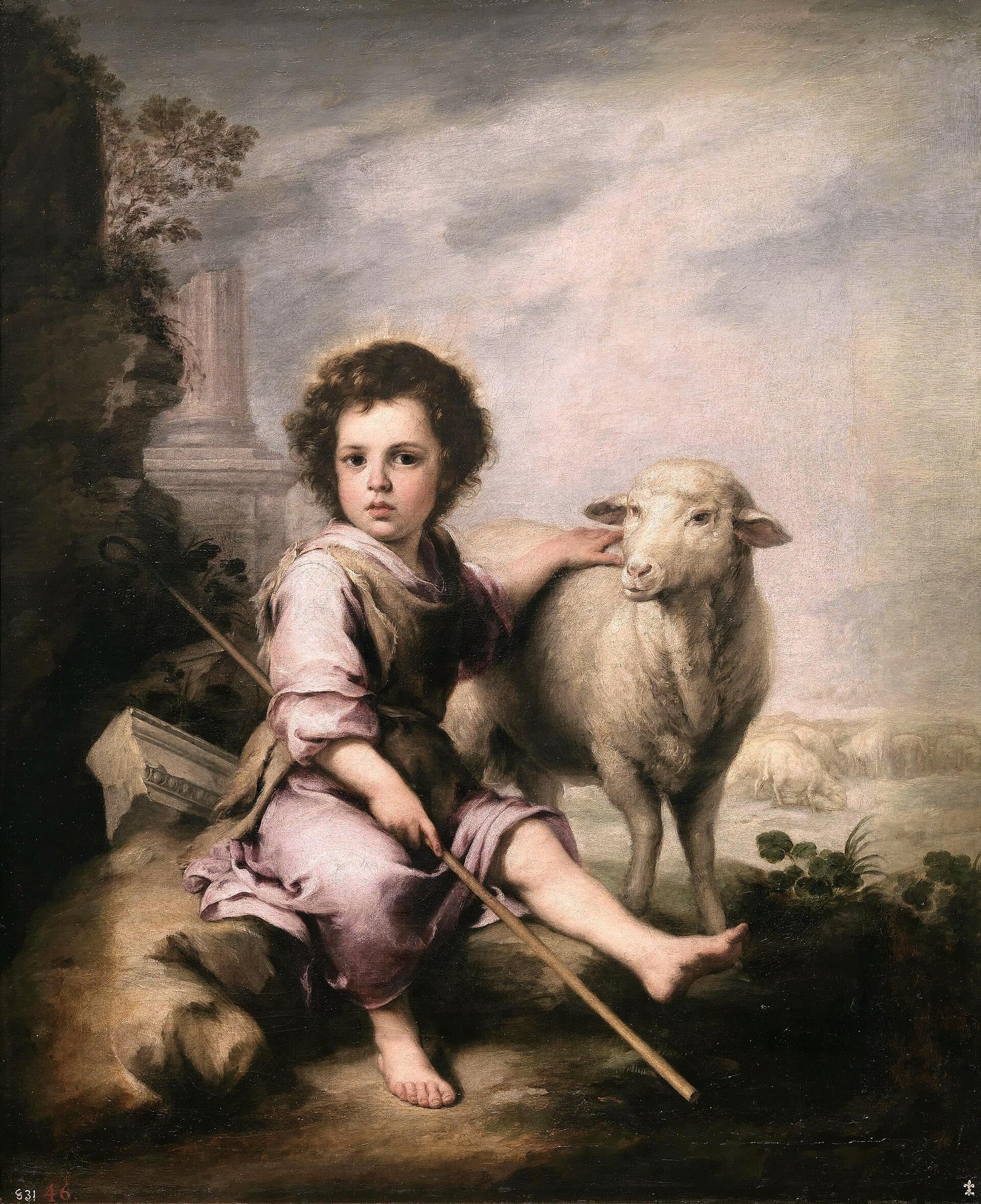
Bartolomé Esteban Murillo
c. 1660, Museo Nacional del Prado, Madrid
About this painting
The traditional prayers · The Rosary
Today's masterwork, each morning
One sacred painting a day, chosen by the liturgical calendar and captioned only from the museum's record: the feast, the color of the day, and the Scripture the scene depicts.
One confirmation email first; nothing is sent until you click it. Every email has a one-click unsubscribe, and you can switch to Sundays and feasts only at any time.